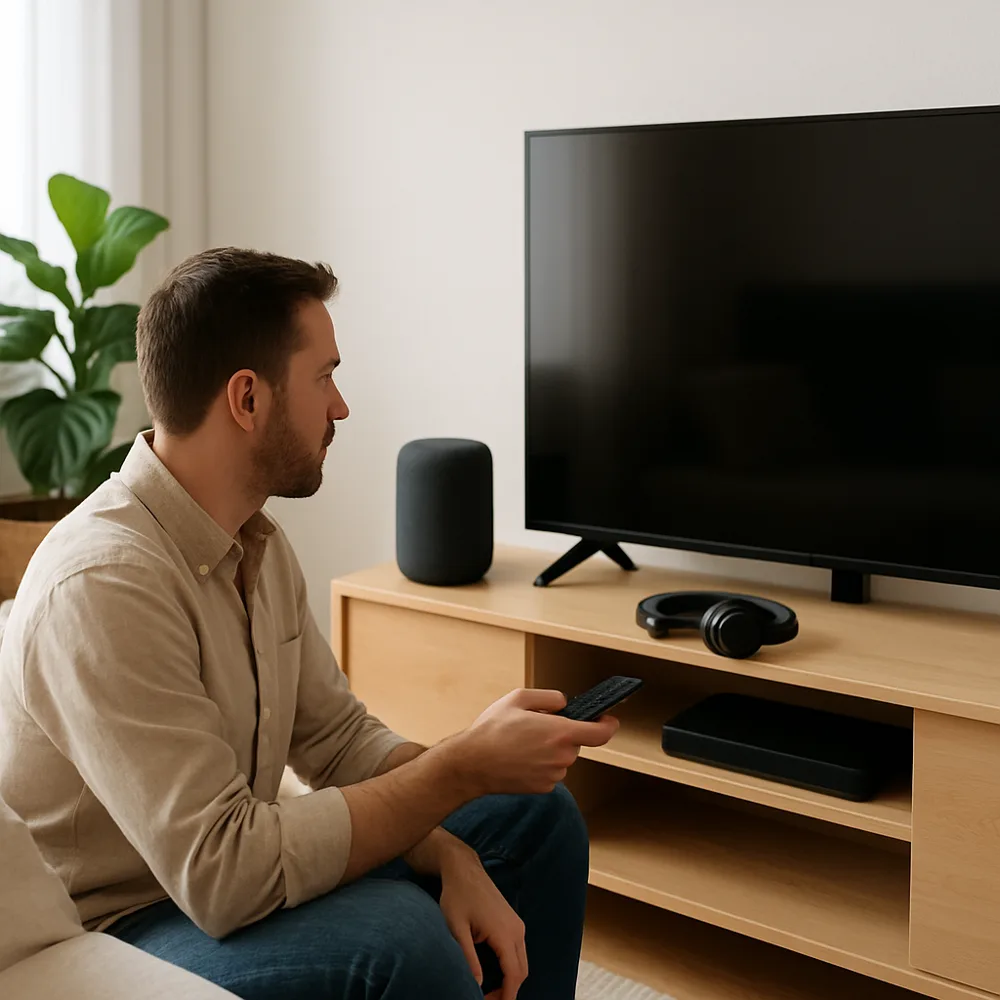
A review is most helpful when you understand the reviewer’s priorities and test conditions. A display judged in a dark room may not suit someone who watches television in daylight, and headphones tested on a quiet desk may behave differently during a commute. Look for clear explanations of what was tested, how long the device was used, and which comparisons were made.
Separate measurable features from personal preference. Battery runtime, available ports, and physical dimensions can often be checked against specifications, while comfort, sound balance, and interface design are more subjective. Neither type of information is useless, but they answer different questions. Pay attention to recurring strengths or weaknesses across independent assessments rather than treating one dramatic result as universal.
Before choosing, write down your essential requirements and any deal-breakers. Compare those needs with the device's supported features, warranty information, software support, and compatibility with equipment you already own. Be cautious of reviews that make absolute claims without explaining evidence or trade-offs. The best choice is not necessarily the top-rated product; it is the one that performs well in the areas you value and fits your everyday setup.